
Clubs SA 2026 South Australian State Election Submission
Clubs SA
Clubs play a critical role in South Australia’s sporting, social and community life. Across metropolitan and regional areas, licensed and unlicensed clubs deliver community connection, participation opportunities, volunteer engagement, employment, and essential local infrastructure.
Clubs SA is the peak body representing more than 450 sporting, ethnic, social and community clubs across South Australia. For over 100 years, Clubs SA has provided specialist advice, advocacy, training and support to not-for-profit clubs operating in an increasingly complex regulatory, financial and operating environment. As clubs face rising costs, workforce shortages, increasing compliance obligations and inconsistent local government arrangements, targeted policy reform is required to ensure their long-term sustainability.
This document outlines Clubs SA’s priority areas for consideration ahead of the 2026 State Election, focused on reducing red tape, improving financial viability, strengthening governance and ensuring clubs can continue delivering vital community benefit across South Australia.

Red Tape Reduction Support for a b2G Portal

Support the development of a Business‑to‑Government (B2G) portal that streamlines compliance, reporting, licensing and application processes for not‑for‑profit clubs resulting in a “one stop shop” online platform for Clubs.
Key asks:
- Single sign‑on system for clubs to access all club related hospitality and governance
functions. - Co‑design with Clubs SA to ensure suitability for volunteer‑run clubs.
- Prioritise clubs as an industry group in pilot implementations.
Cost-of-Doing Business, Utilities & Insurance Relief Package
Clubs continue to face significant operational and sustainability pressures due to inflation, rising energy and water costs, insurance premiums and increased regulatory demands. These cumulative burdens are placing all clubs at real risk of reducing community services, support and programs, with the prospect of closing due to insolvency.
Key asks:
- Introduce targeted relief measures for essential community facilities.
- Explore COVID-style SA Water relief models for not-for-profit clubs.
- Provide access to bulk-rated or government-negotiated energy plans.
- Provide incentives for Club energy efficient initiatives.
- Introduce insurance premium subsidies or a state-backed community insurance mechanism
Payroll Tax Reform Minimum Deduction and Threshold Increase to $2.1m
Rising wages and costs mean that Clubs can no longer absorb payroll tax, under its current format. The current payroll tax conditions are burdensome and outdated in turn placing extreme pressure on community operations.
Key asks:
- Increase the minimum deduction and the payroll tax threshold from $1.5m to $2.1m.
- Link the thresholds to CPI to ensure that the benefits remain consistent over time.
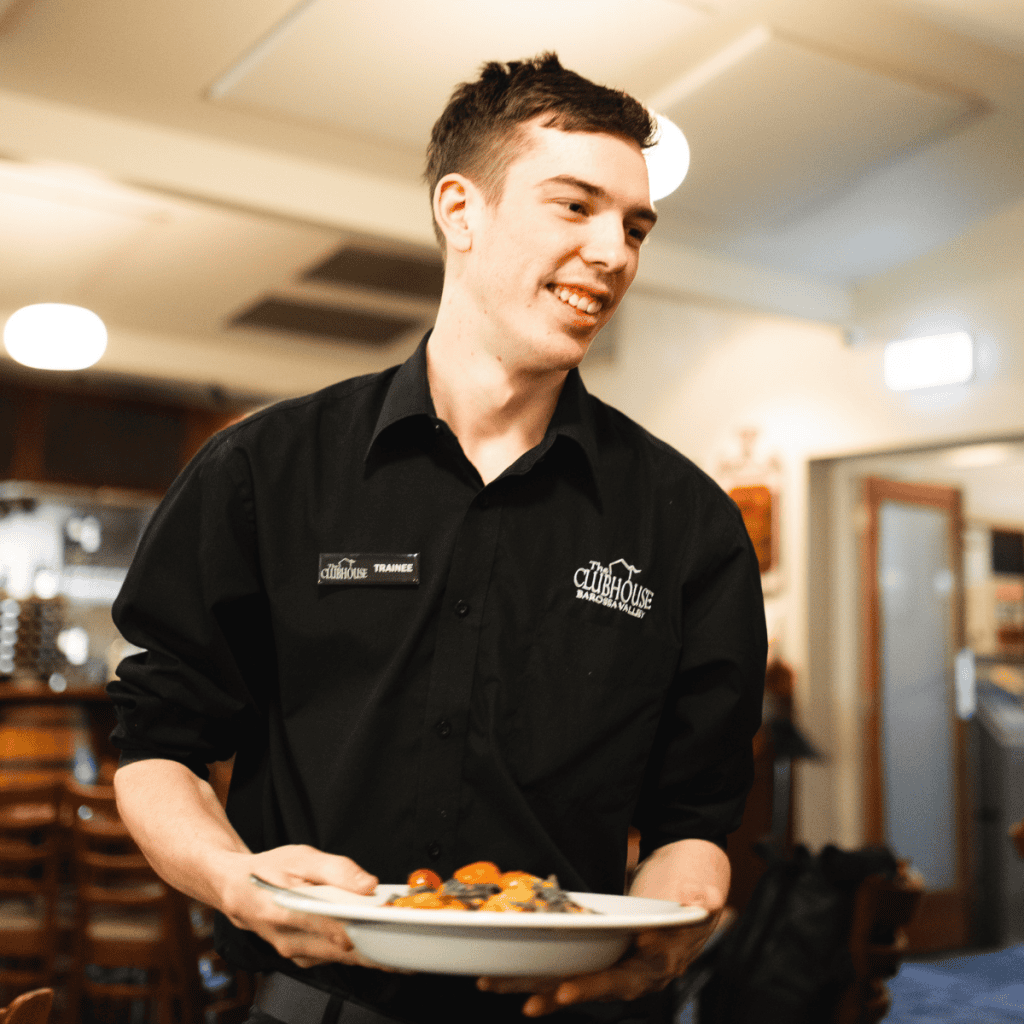
- Provide offsets for clubs employing youth, hospitality workers and community staff.
- Exempt apprentices and trainees from the tax.
Fair & Consistent Council Leasing and Licensing Frameworks

Leases vary significantly between councils and their clubs, impacting not only on the clubs’ ability to invest, upgrade and plan long‑term, but also their ability to afford the lease payments in many cases.
Key asks:
- Develop a statewide model lease framework for sporting and community clubs. (See separate paper on this below)
- Create clear, consistent pathways for minor works, upgrades and licensing variation.
- Create a fair and reasonable lease fee system that recognises the importance of clubs in their communities.
- Engage the government to explore state authority over council leasing consistency
Volunteer Sustainability & Support Package
Club Volunteer numbers continue to decline while compliance and red tape expectations increase, placing strain on club operations.
Key asks:
- State‑funded subsidies for Responsible Service of Alcohol (RSA), Food Safety, WHS and Governance training for volunteers.
- Simplified compliance for volunteer committees.
- Programs to attract, support and retain volunteers.
Community Infrastructure Renewal Fund
Many club facilities are ageing and excluded from current funding due to restrictive grant criteria.
Key asks:
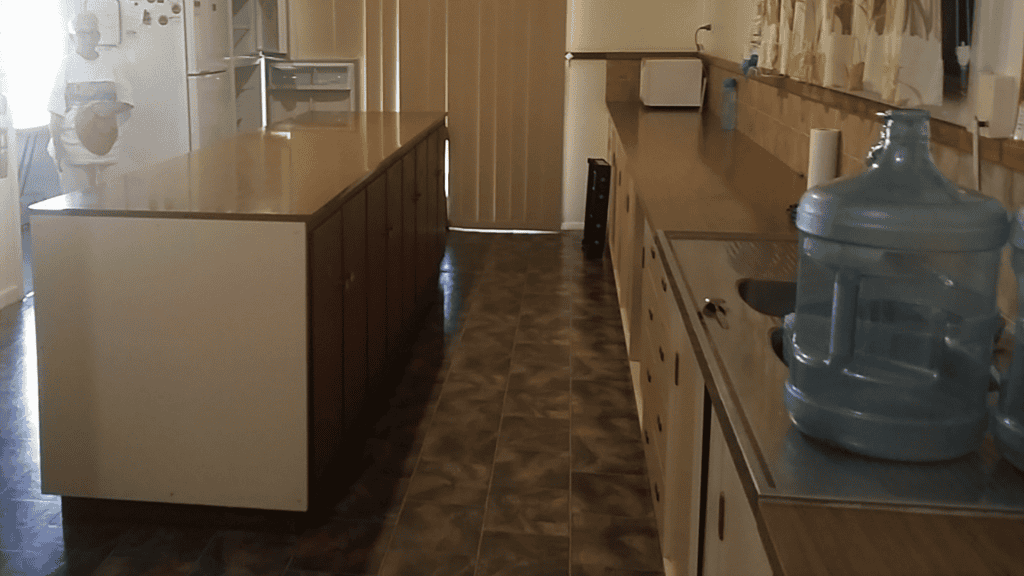
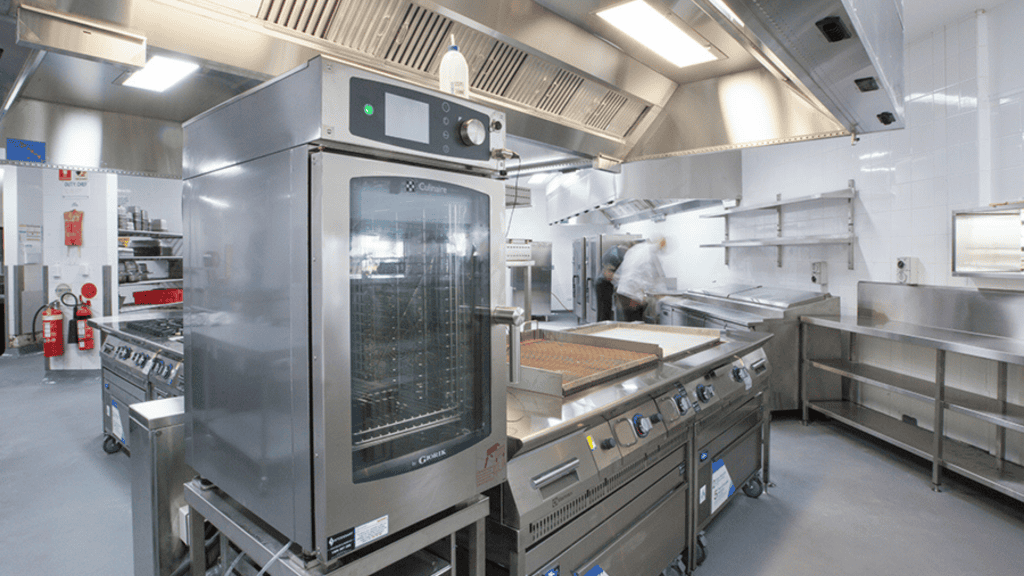
- Create a dedicated renewal fund for kitchens, amenities, accessibility and energy upgrades for all clubs.
- Remove barriers preventing commercial kitchen upgrade funding for not‑for‑profits.
- Expand eligibility to include RSLs, ethnic and cultural clubs, community and social clubs
Skill Shortage Relief for Clubs
South Australian community and sporting clubs are facing critical and ongoing workforce shortages that now pose a material risk to their sustainability, service delivery and community impact. These shortages are most pronounced in regional areas and in roles that are critical to club operations and diversified revenue streams.
Key asks:
- Targeted skilled migration and regional workforce pathways for priority club occupations.
- Fast-tracked recognition of overseas hospitality and turf management qualifications.
- Regional workforce attraction incentives, including relocation support and shared employment models across clubs, councils and facilities.
- Expanded incentives for clubs to employ apprentices and trainees in hospitality and turf management roles, with flexible training delivery suited to club environments.
- Support for structured mentoring programs, connecting apprentices and trainees with retired or semi-retired industry professionals (e.g. former chefs and turf managers),
leveraging South Australia’s ageing workforce. - Improved promotion and recognition of hospitality and sports turf management as skilled, long-term career pathways through schools, career advisors and training providers.
A Unified Peak Body Model for Sporting & Community Clubs

The South Australian Government should formally recognise and support Clubs SA as the primary peak body for licensed sporting and community clubs, aligning funding with:
- The level of specialist support being delivered
- The real operational needs of clubs
- The efficiencies gained by reducing duplication across the sector
This reform ensures that clubs:
- no longer need to hold multiple memberships
- receive consistent governance, financial and compliance training
- have a single, coordinated support and advocacy pathway
- benefit from economies of scale and consistent sector standards Clubs SA already has the structure, capability, and training frameworks in place.
- What is required now is a funding and policy alignment that reflects the way sporting and community clubs actually operate in 2026 and onwards.
Most sporting clubs in South Australia hold liquor licences, as without diversified revenue streams these clubs cannot survive. Their operations and compliance obligations align far more closely with the licensed club sector than with traditional “sport-only” associations. Clubs SA is currently the only peak body delivering the specialist support these clubs require, including expert advice, on-site assistance and structured professional development through our Club Development Program, which covers:
- Governance
- Finance
- Strategic planning
- Conflict management
- Sponsorship & commercial development
- Facility management
- Volunteer management
- Compliance and risk
Despite this, Clubs SA receives no government funding to deliver these services, while other associations within the sport sector — who do not provide equivalent support, particularly around compliance, licensing, workplace relations, WHS, governance or commercial operations are funded to represent the very same clubs. This creates a duplication of representation, inconsistency in support quality, and ultimately forces clubs to join multiple associations as insurance to cover the full set of services they need to operate legally and sustainably when they only need to join Clubs SA.
Why Reform Is Needed
A fragmented peak-body environment does not serve clubs. Sporting and community clubs are:
- juggling liquor licensing, WHS, food safety, volunteers and overall governance obligations including financial reporting.
- managing commercial bar operations without the training support they require.
- navigating councils, leases, compliance and administrative pressures.
- delivering vital community and recreation programs.
It makes financial governance and operational sense for the State Government to align funding and recognition with the organisation that is already delivering this necessary support.
Conclusion and Request for Response
South Australia’s sporting, ethnic and community not for profit licensed clubs are facing operational pressures that threaten both their short and long-term sustainability, in turn
diminishing their ability to continue to deliver vital social, recreational and economic benefits for local communities.
The priorities outlined in this submission are practical, evidence-based and focused on areas where positive government action can make a meaningful difference. The priorities will reduce unnecessary administrative burden, improve financial viability and stability, strengthen governance ensuring clubs remain safe, inclusive and sustainable community assets.
Clubs SA welcomes feedback on the priorities outlined in this platform. To assist us in informing our members ahead of the 2026 State Election, we would appreciate receiving a response to the above by 5.00pm on Monday, 2 March 2026.
The response received will be shared with Clubs SA members to help them better understand areas of policy alignment and support across parties and candidates.
We look forward to working constructively with all parties to ensure South Australian clubs are supported allowing them to continue serving their communities now and into the future.
Peter Apostolopoulos
Chief Executive Officer
Clubs SA
Appendix
Why Leasing Inconsistencies are a Major Issue for South Australian Clubs
Clubs across SA currently experience dramatically different leasing arrangements with councils, Including:
- Peppercorn rent
- 21–30 year leases
- 5–10 year leases
- Annual rolling leases
- Month‑to‑month arrangements
- No formal lease at all
These inconsistencies are the predictable outcome of how the Local Government Act 1999 and the Community Land Management Plan (CLMP) framework operate.
1. Councils Have Broad Discretion
Councils can independently decide:
- lease terms
- rental levels
- conditions
- approval pathways
- risk tolerances
- community access requirements
This results in different approaches across local councils in SA
2. Community Land Management Plans Drive Variation
A CLMP determines:
- what leases are allowed
- maximum lease terms
- permitted uses
- improvement rules
Because there is no statewide template, one council may allow 30‑year leases while another restricts clubs to 5 years.
3. Many CLMPs Are Outdated
A large number were written 10–25 years ago and do not reflect:
- modern club operations
- kitchen or bar compliance
- female‑friendly changerooms
- WHS requirements
- expanded community roles
Updating CLMPs requires consultation and council action, so updates rarely occur.
4. Councils Manage Risk Differently
Some councils see clubs as strategic community partners. Others see them as private tenants.
This shapes:
- lease length
- rental expectations
- willingness to allow improvements
- exclusivity and access conditions
5. Lease Length Directly Affects Club Sustainability
Long‑term leases (e.g., 20–30 years) allow clubs to:
- apply for grants
- upgrade facilities
- secure finance
- attract sponsors
- plan long‑term programs and invest in infrastructure
Short or rolling leases prevent:
- capital investment
- grant eligibility
- strategic planning
- staff retention
- community program certainty
6. Only the State Government Can Address This Systemic Issue
Because councils act autonomously, only state intervention can create consistency.
Recommended reforms include:
- minimum lease terms
- uniform rental principles
- statewide community leasing framework
- mandated CLMP review cycles
- clearer rules for improvements and shared use
- dispute resolution pathways
- Recognising the importance of Club’s to the community
7. Policy Impact
Lease instability undermines government objectives in:
- community sport participation
- volunteer retention
- youth engagement
- public health
- regional economic activity
Clubs cannot deliver stable long term services on unstable leases.
Election Advocacy Position
Clubs SA proposes the Government adopt a Statewide Community Club Leasing Framework
providing:
- Minimum 10+10 year lease terms for not‑for‑profit clubs
- Peppercorn rent guidelines
- Standard assessment criteria
- Modernisation of all CLMPs every 5 years
- Clear, consistent rules for improvements and exclusive use
- A dispute resolution mechanism for clubs
- Strengthened alignment with State sport, recreation and community objectives

What Was The Response


Become A Member
